
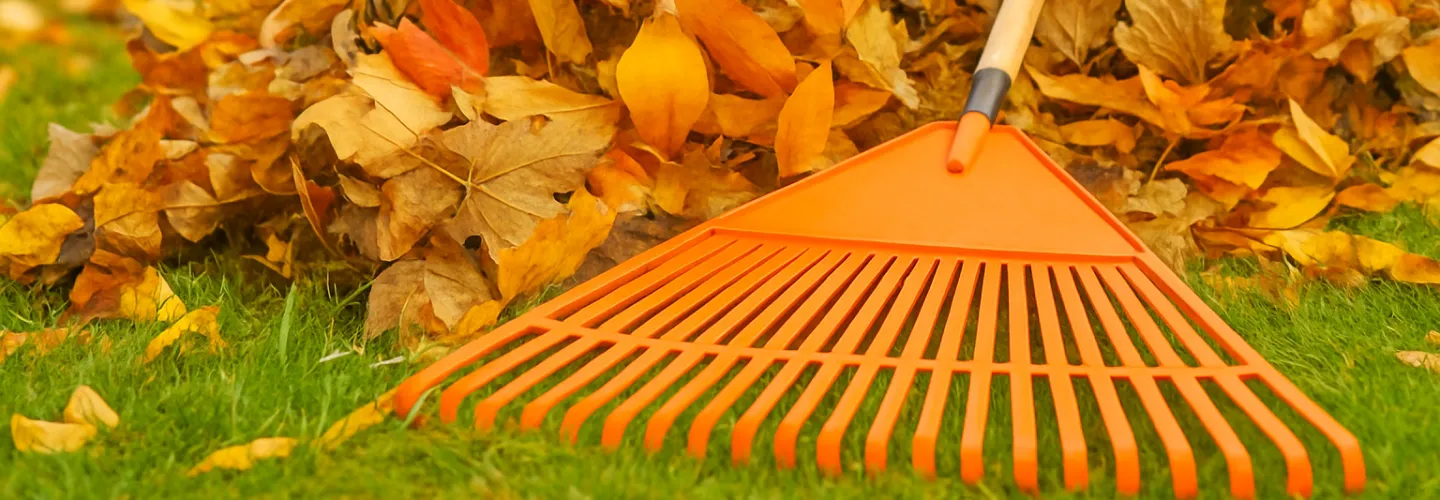
River Hall Leaf Removal Services
Choose our Leaf Removal service for reliable, thorough cleanup that keeps your property looking pristine and healthy all season long—saving you time and hassle.
Get a Free QuoteOur River Hall Landscaping & Yard Care Services
When to Schedule Leaf Removal in River Hall, Florida – Seasonal Guide
In River Hall, Florida, the timing of leaf removal is closely tied to our unique subtropical climate and the specific needs of neighborhoods like Hampton Lakes and Cascades. Unlike northern regions, River Hall experiences mild winters and a prolonged growing season, which means leaves can accumulate at different times throughout the year. The optimal periods for leaf removal are typically late fall, after the majority of deciduous trees have shed their leaves, and early spring, before new growth begins. This approach helps maintain healthy lawns and prevents the buildup of organic debris that can harbor pests or promote fungal growth, especially in shaded areas near the River Hall Country Club.
Local environmental factors play a significant role in determining the best schedule for leaf removal. For example, the area's high humidity and occasional heavy rainfall can accelerate leaf decomposition, impacting soil health and increasing the risk of mold. Additionally, proximity to water features and shaded lots may require more frequent service. For more information on local environmental guidelines, visit the Sudbury municipal resource.
Local Factors to Consider for Leaf Removal in River Hall
- Tree density and species common to River Hall neighborhoods
- Proximity to water features or shaded areas
- Typical precipitation patterns and humidity levels
- Soil type and drainage characteristics
- Municipal restrictions or community association guidelines
- Risk of frost or drought during transitional seasons
Benefits of Leaf Removal in River Hall

Enhanced Curb Appeal
Prevents Lawn Damage
Reduces Pest Infestations
Improves Lawn Health
Saves Time and Effort
Professional and Reliable Service
River Hall Leaf Removal Types

Curbside Leaf Collection
-
On-Site Leaf Mulching
-
Bagged Leaf Pickup
-
Vacuum Leaf Removal
-
Seasonal Yard Cleanup
-
Gutter Leaf Clearing
-
Compost Leaf Recycling
Our Leaf Removal Process
Site Evaluation
Leaf Gathering
Collection and Removal
Final Inspection
Why Choose River Hall Landscape Services
-
River Hall Homeowners Trust Us
-
Expert Lawn Maintenance
-
Reliable Irrigation Solutions
-
Comprehensive Weed Control
-
Competitive Pricing
-
Professional and Courteous Team
-
Satisfaction Guarantee
Coordinating Leaf Removal with River Hall’s Public Works and Drainage Systems
Leaf removal in River Hall, FL, is closely tied to the area’s public works operations and stormwater management infrastructure. Residents and property managers must ensure that leaves and yard debris are properly prepared for collection, as improper disposal can obstruct swales, storm drains, and canals, increasing flood risk during the wet season. In River Hall, leaves should be placed in approved containers or bundled according to Lee County’s yard waste guidelines, and never swept or blown into the street or drainage inlets. This helps maintain the function of the community’s extensive drainage network and protects water quality in adjacent canals and retention areas. For large-scale debris or after storm events, coordination with the county’s public works department is recommended to confirm collection schedules and any special procedures.
Municipal Contacts:
Lee County Public Works
1500 Monroe St, Fort Myers, FL 33901
Official Website: Lee County Public Works
How River Hall’s Gulf Coast Climate and Soils Shape Leaf Removal Needs
River Hall is situated within the Gulf Coast Florida region, characterized by a subtropical climate, high humidity, and a pronounced wet season from late spring through early fall. These conditions accelerate leaf decomposition but also increase the risk of organic debris clogging drainage systems during heavy rainfall. The area’s soils are predominantly sandy or fill-based, which can lead to rapid water movement and nutrient leaching, making it essential to prevent leaf buildup that could block swales or stormwater inlets. Additionally, the high water table and proximity to canals and retention ponds mean that even small amounts of misplaced debris can impact local water quality. Residents should be aware that:
- Wet-season storms can rapidly move leaves into storm drains if not contained
- Sandy soils allow for quick drainage but are easily blocked by organic matter
- High humidity promotes fungal growth in leaf piles, increasing disposal urgency
Regulatory Requirements and Environmental Compliance for Leaf Removal in River Hall
Leaf removal activities in River Hall are subject to both local and state environmental regulations. Lee County enforces yard waste collection standards to prevent debris from entering the stormwater system, in alignment with the Florida DEP NPDES Stormwater Program and the Clean Water Act. Residents must ensure that leaves are not disposed of in canals, lakes, or public rights-of-way, as this can result in code enforcement actions and environmental harm. The county may also implement additional restrictions during storm recovery periods or in sensitive drainage areas. For properties adjacent to water bodies or within designated drainage corridors, confirm any special requirements with the county’s water quality division. Always verify current yard waste preparation and collection rules before scheduling large-scale removal.
Municipal Contacts:
Lee County Water Quality
2120 Main St, Fort Myers, FL 33901
Official Website: Lee County Water Quality
Professional Standards and Timing for Leaf Removal in River Hall’s Seasonal Context
Effective leaf removal in River Hall requires attention to both timing and technique, given the region’s climate and drainage sensitivity. The most critical periods for removal are during and immediately after the wet season, when leaf accumulation can quickly obstruct swales and storm drains. Professional standards recommend:
- Collecting leaves before forecasted heavy rainfall to prevent wash-in
- Using rakes or blowers to gather leaves, but never directing debris toward streets or inlets
- Bagging or bundling leaves in accordance with county yard waste guidelines
- Scheduling removal at intervals that match tree species’ leaf-drop cycles, which may differ from northern climates
- Inspecting curb inlets and swales after storms to clear any residual debris
For additional guidance on stormwater-safe yard maintenance, consult the EPA Stormwater Discharges from Municipal Sources and UF/IFAS Gardening Solutions - Protecting Florida’s Water Resources.
What Neighborhoods Do We Serve Throughout River Hall, FL?
- Hampton Lakes
This area features newer subdivision fill soils and extensive HOA-managed landscaping, requiring coordinated leaf removal to protect swales and retention ponds. - Country Club
Large lots with mature shade trees and proximity to golf course water features make timely leaf collection essential for drainage and appearance. - Cascades
Smaller lots and denser development increase the importance of curbside compliance and regular debris pickup. - The Place at River Hall
Homes adjacent to preserved wetlands and greenways must take extra care to prevent organic debris from entering sensitive habitats. - River Hall Town Center
Mixed-use and community spaces with public greenspace require adherence to county yard waste standards and frequent monitoring of storm drains. - Ashton Oaks
Townhome clusters with shared driveways and limited frontage benefit from scheduled, collective leaf removal to maintain access and drainage.