
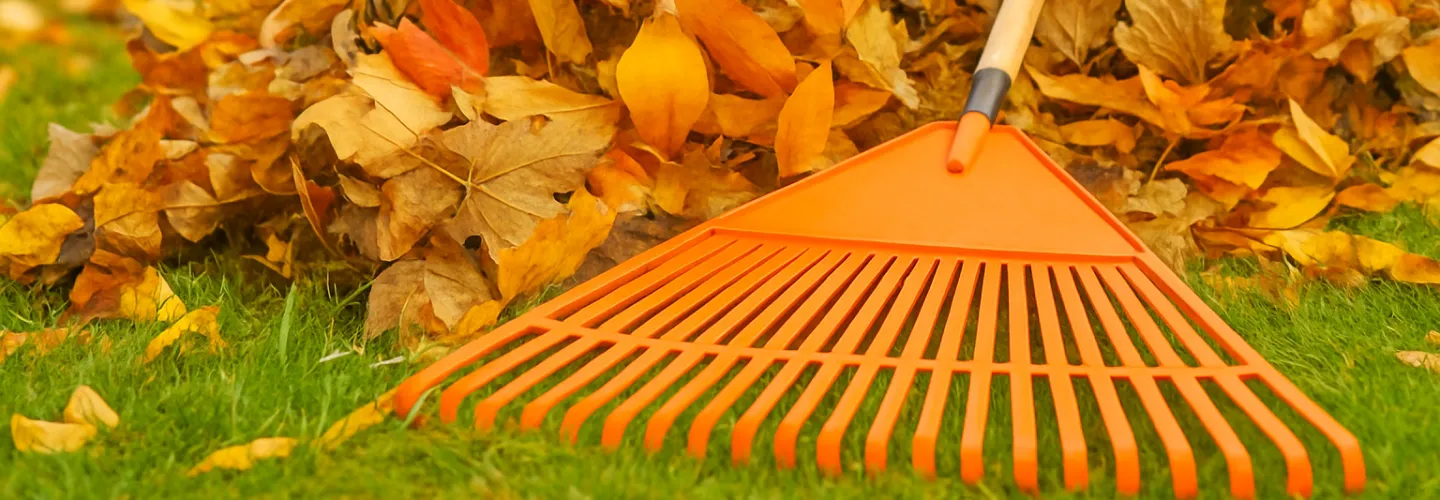
River Hall Green Waste Disposal Services
Choose our Green Waste Disposal for reliable, environmentally responsible service that keeps your property clean while supporting a healthier planet. We make it easy to dispose of yard debris and organic waste the right way.
Get a Free QuoteOur River Hall Landscaping & Yard Care Services
When to Schedule Green Waste Disposal in River Hall, Florida – Seasonal Guide
In River Hall, Florida, the timing of green waste disposal is closely tied to our unique subtropical climate and the rhythms of local landscaping needs. The optimal periods for scheduling green waste removal are typically late winter through early spring and again in late summer, aligning with the region’s primary growth and pruning cycles. Homeowners in neighborhoods like Hampton Lakes and Cascades should be mindful of the last frost date—usually in early February—before undertaking major yard cleanups or tree trimming. This ensures that sensitive plants are protected and that debris is cleared before the onset of spring growth.
Local environmental factors such as high humidity, sandy soils, and the risk of summer droughts play a significant role in determining the best disposal schedule. Areas with dense shade coverage, like those near the River Hall Country Club, may accumulate more leaf litter and require more frequent attention. Additionally, municipal guidelines and seasonal restrictions can impact when and how green waste is collected. For more information on local regulations, visit the official resource.
Local Factors to Consider for Green Waste Disposal in River Hall
- Tree density and types of vegetation on your property
- Proximity to water features or wetlands
- Seasonal precipitation patterns and hurricane preparedness
- Soil composition and drainage characteristics
- Municipal collection schedules and restrictions
- Neighborhood-specific landscaping guidelines
Benefits of Green Waste Disposal in River Hall
Eco-Friendly Landscaping Solutions
Efficient Green Waste Removal
Promotes Healthy Plant Growth
Reduces Landfill Waste
Enhances Curb Appeal
Supports Sustainable Practices
River Hall Green Waste Disposal Types

Grass Clippings
-
Tree Branches
-
Shrub Trimmings
-
Leaves Collection
-
Garden Weeds
-
Palm Fronds
-
Mulch Recycling
Our Green Waste Disposal Process
Collection of Green Waste
Sorting and Separation
Transport to Disposal Facility
Eco-Friendly Processing
Why Choose River Hall Landscape Services
-
River Hall Homeowners Trust Us
-
Expert Lawn Maintenance
-
Reliable Irrigation Solutions
-
Comprehensive Weed Control
-
Competitive Pricing
-
Professional and Courteous Team
-
Satisfaction Guarantee
Coordinating Green Waste Disposal Through Lee County's Solid Waste Division for River Hall Residents
River Hall is an unincorporated community within Lee County, Florida, and residents must coordinate green waste disposal through Lee County's solid waste programs rather than a municipal government. Lee County provides curbside yard waste collection on a weekly schedule, with accepted materials including:
- Grass clippings, leaves, and small brush bundled in lengths under 4 feet
- Branches up to 4 inches in diameter, cut and stacked at the curb
- Yard trimmings placed in biodegradable bags or 32-gallon reusable containers
- Prohibited items: plastic bags, treated lumber, construction debris, and palm fronds exceeding 6 feet in length
Residents may also self-haul green waste to the Lee County Resource Recovery Facility located at 10500 Buckingham Road in Fort Myers. The facility accepts vegetative debris Monday through Saturday, 7:00 AM to 5:00 PM. Disposal fees typically range from $5–$40 depending on load size. Open burning of yard waste is prohibited within River Hall's developed areas under Lee County Ordinance 08-19.
Lee County Public Works
1500 Monroe Street, Fort Myers, FL 33901
Phone: (239) 533-2111
Official Website: Lee County Public Works
River Hall's Sandy Entisol Soils and Their Impact on Organic Waste Decomposition
The soils underlying River Hall consist predominantly of Entisols—sandy, poorly structured soils with low organic matter content, typically below 2%, and a slightly acidic pH ranging from 5.5 to 6.5. These Immokalee and Myakka fine sand series drain rapidly at the surface but feature a spodic hardpan layer at approximately 24–36 inches depth, creating seasonal high water tables during the June-through-October wet season. This dual drainage characteristic directly affects green waste management: organic debris left on saturated ground decomposes anaerobically, producing hydrogen sulfide odors and nutrient-laden leachate that can migrate into shallow groundwater. Residents should avoid stockpiling yard waste in low-lying areas of their properties. Instead, composting should occur on elevated, well-drained sites using raised bins that allow airflow. Soil characteristics can be verified through the USDA Web Soil Survey, and UF/IFAS Extension offers soil testing services for $7–$10 per sample to determine site-specific conditions before establishing composting areas.
Protecting the Caloosahatchee River Watershed During Green Waste Handling in River Hall
River Hall sits within the Caloosahatchee River watershed, and all stormwater from the community ultimately drains into this ecologically sensitive waterway. Under the Clean Water Act and Lee County's MS4 stormwater permit administered by the Florida Department of Environmental Protection, green waste must never be deposited in swales, drainage ditches, retention ponds, or stormwater conveyance structures. Specific compliance requirements include:
- Maintain a minimum 25-foot vegetative buffer from any wetland boundary or surface water body when staging yard debris
- Never blow or rake grass clippings, leaves, or organic material into street gutters or storm drains
- Ensure composting operations are located at least 50 feet from retention ponds and canal banks
- Report illegal dumping of yard waste in waterways to Lee County Natural Resources at (239) 533-8109
Violations of these provisions can result in enforcement actions under the Florida Environmental Protection Act and federal stormwater regulations overseen by EPA Region 4.
Lee County Natural Resources
1500 Monroe Street, Fort Myers, FL 33901
Phone: (239) 533-8109
Official Website: Lee County Natural Resources
Seasonal Timing for Green Waste Generation in River Hall's USDA Zone 10a Climate
River Hall falls within USDA Hardiness Zone 10a, where year-round growing conditions produce continuous green waste unlike seasonal climates. Peak yard waste generation periods and recommended disposal timing include:
- May through October (wet season): Heaviest production period; St. Augustinegrass and bahiagrass lawns require mowing every 5–7 days, generating substantial clipping volume. Schedule curbside pickup coordination weekly during this window.
- November through April (dry season): Reduced turf growth but increased leaf drop from deciduous species such as bald cypress (Taxodium distichum) and red maple (Acer rubrum). Leaf volume peaks December through February.
- Post-hurricane season (September–November): Tropical storm debris may overwhelm standard collection schedules. Lee County activates emergency debris collection programs following named storms, with designated staging areas announced through the county's emergency management office.
- Year-round palm maintenance: Sabal palm (Sabal palmetto) and queen palm (Syagrus romanzoffiana) frond removal generates bulky waste requiring separate bundling.
The National Weather Service Miami office provides seasonal forecasts that help residents anticipate heavy growth periods and plan disposal accordingly.
How River Hall's Community Development District Governs Landscape Waste Standards
The River Hall Community Development District (CDD) maintains specific standards for green waste handling that supplement Lee County regulations. Property owners within the CDD must adhere to community-level requirements governing the appearance and timing of curbside waste placement. Green waste containers and bundled debris may not be placed at the curb more than 24 hours before the scheduled collection day and must be removed within 12 hours after pickup. Debris piles exceeding 4 feet in height or 6 feet in length at the curb are subject to code enforcement action. The CDD also prohibits the use of open-top dumpsters for yard waste without prior written approval from the district manager. Residents should direct questions about landscape waste standards to the CDD office.
River Hall Community Development District
2300 Glades Road, Suite 410W, Boca Raton, FL 33431
Phone: (561) 571-0010
Official Website: River Hall Community Development District
Lee County Zoning also governs setback and property maintenance requirements that affect where green waste may be stored on residential lots.
Lee County Zoning
1500 Monroe Street, Fort Myers, FL 33901
Phone: (239) 533-8585
Official Website: Lee County Zoning
What Streets and Subdivisions Do We Serve Throughout River Hall, FL?
- River Hall Boulevard corridor: The main arterial through the community features large single-family lots with mature live oaks (Quercus virginiana) and sabal palms that generate heavy leaf litter and frond debris year-round, requiring frequent curbside staging coordination.
- Hampton Lakes subdivision: Homes surrounding the interconnected lake system must observe strict 25-foot buffer setbacks from water edges when staging green waste, as stormwater drains directly into the Caloosahatchee watershed.
- Palmetto Creek area: This section features newer construction with bahiagrass-dominant lawns on Immokalee fine sand soils, producing high clipping volumes during the May-through-October wet season mowing cycle.
- Savannah Lakes neighborhood: Properties adjacent to preserved wetland conservation areas face additional restrictions on debris placement and composting proximity, requiring a minimum 50-foot setback from jurisdictional wetland boundaries.
- Torrey Pines section: Elevated lots with slightly improved drainage allow for on-site composting bins, though CDD aesthetic standards require screened enclosures for compost structures visible from roadways.
- River Hall's golf course-adjacent homes along Championship Drive: These properties generate significant ornamental landscape trimmings from maintained hedgerows and flowering shrubs, often requiring supplemental bulk pickup scheduling beyond standard weekly collection.