
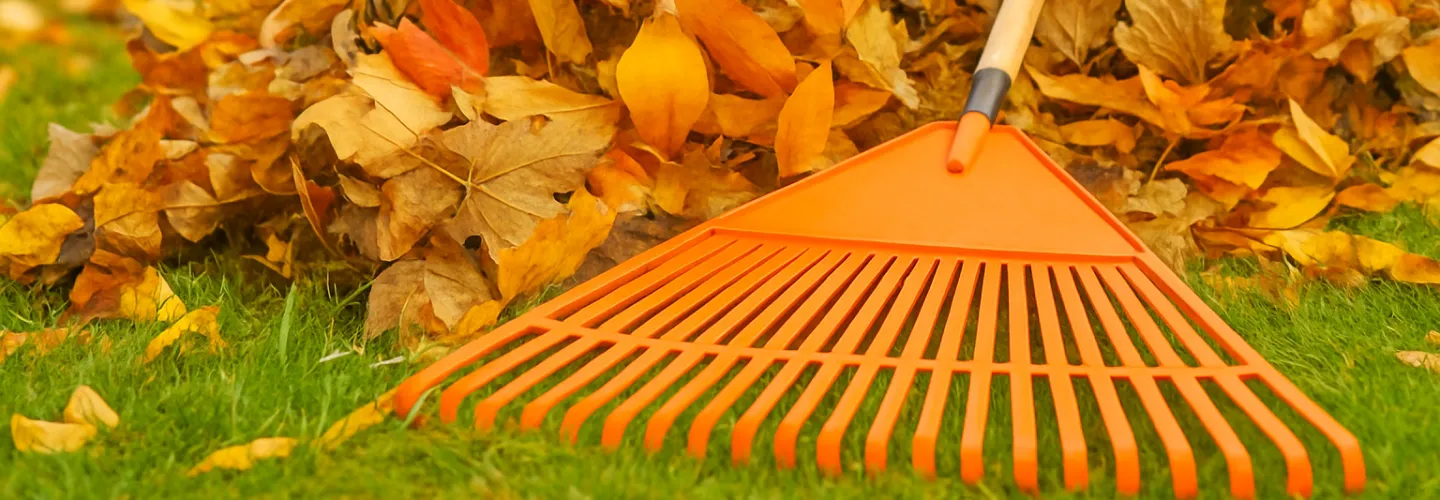
River Hall Plant Removal Services
Choose our plant removal services for safe, thorough, and environmentally responsible solutions that restore your landscape’s beauty and health—handled by experienced professionals you can trust.
Get a Free QuoteOur River Hall Landscaping & Yard Care Services
When to Schedule Plant Removal in River Hall, Florida – Seasonal Guide
In River Hall, Florida, the timing of plant removal is crucial for maintaining healthy landscapes and ensuring long-term curb appeal. The region’s subtropical climate, characterized by warm, humid summers and mild winters, means that the best periods for plant removal are typically late winter through early spring, before the onset of the rainy season. This window allows for easier root extraction and minimizes regrowth, especially in neighborhoods like Hampton Lakes and Cascades, where dense shade and mature landscaping are common.
Local environmental factors such as the proximity to the Caloosahatchee River, variable soil drainage, and the risk of late-season frosts can all impact the success of plant removal projects. Homeowners should also consider municipal guidelines and seasonal precipitation patterns, as heavy summer rains can complicate removal efforts. For more information on local regulations and best practices, visit the official town resource.
Local Factors to Consider for Plant Removal in River Hall
- Tree density and mature canopy coverage in neighborhoods like Country Club Estates
- Soil type and drainage, especially in low-lying areas near the river
- Seasonal precipitation and risk of drought during late spring and summer
- Municipal restrictions or permit requirements for large-scale removals
- Terrain challenges, such as sloped lots or areas prone to erosion
- Timing around local frost dates to avoid plant stress or regrowth
Benefits of Plant Removal in River Hall
Enhanced Curb Appeal
Improved Plant Health
Reduced Pest Infestation
Increased Property Value
Customized Landscaping Solutions
Efficient and Safe Removal
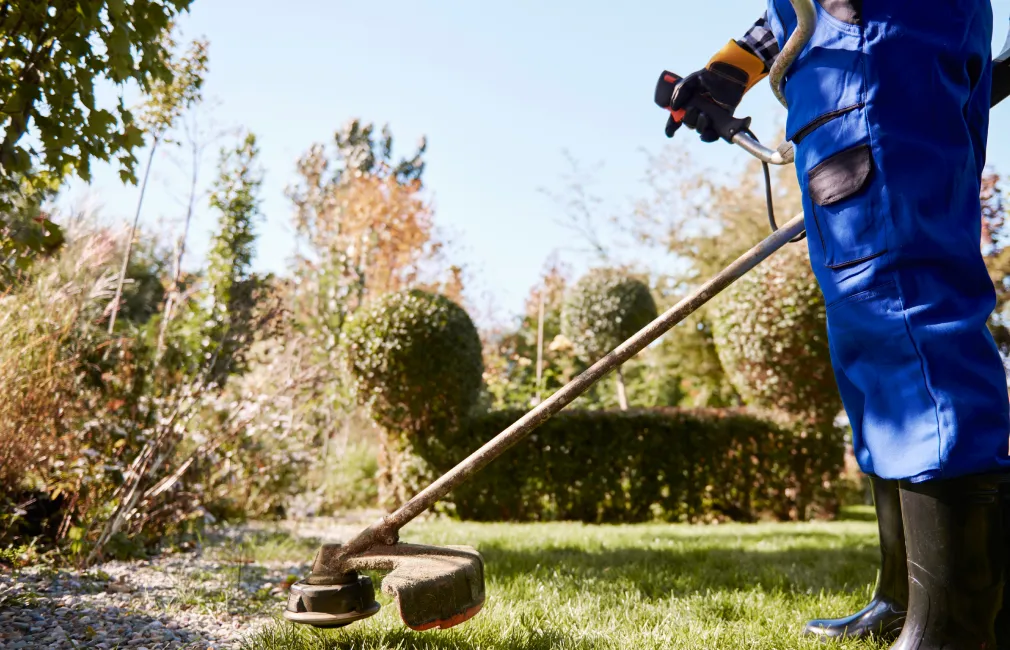
River Hall Plant Removal Types

Tree Removal
-
Shrub Removal
-
Stump Grinding
-
Invasive Species Removal
-
Root System Extraction
-
Hedge Clearing
-
Overgrowth Management
Our Plant Removal Process
Site Evaluation
Preparation and Safety Measures
Plant Uprooting
Debris Removal
Site Restoration
Why Choose River Hall Landscape Services
-
River Hall Homeowners Trust Us
-
Expert Lawn Maintenance
-
Reliable Irrigation Solutions
-
Comprehensive Weed Control
-
Competitive Pricing
-
Professional and Courteous Team
-
Satisfaction Guarantee
Navigating Lee County's Vegetation Removal Regulations for River Hall Properties
Plant removal in River Hall, an unincorporated community within Lee County, Florida, requires compliance with the Lee County Land Development Code. Lee County regulates the removal of protected vegetation, including mangroves, specimen trees exceeding 18 inches DBH (diameter at breast height), and any plants within designated environmental overlay zones. Before initiating removal, property owners must determine whether a vegetation removal permit is required. Key permit triggers include:
- Removal of any tree with a DBH of 18 inches or greater
- Disturbance within 75 feet of wetlands or surface water bodies
- Clearing on parcels zoned for environmental sensitivity (e.g., DR/GR or Outer Islands)
- Removal of mangroves regulated under Florida Statute 403.9321–403.9333
- Application fees typically ranging from $50–$200 depending on scope
Permit review generally requires 10–15 business days. The River Hall Community Development District (CDD) may impose additional architectural review requirements for landscaping modifications within the community.
Lee County Zoning
1500 Monroe Street, Fort Myers, FL 33901
Phone: (239) 533-8585
Official Website: Lee County Zoning
How River Hall's Sandy Entisol Soils Affect Root Systems and Extraction Methods
River Hall sits within USDA Hardiness Zone 10a, where the predominant soils are sandy Entisols—specifically Immokalee fine sand and Oldsmar fine sand series, which are characteristic of southwest Florida's flatwoods terrain. These soils feature a poorly drained profile with a seasonal high water table typically at 6–18 inches below the surface during the wet season (June through October). The sandy composition, with pH levels generally between 4.5 and 6.5, creates specific conditions for plant removal:
- Shallow root systems spread laterally rather than deeply due to the high water table
- Saturated soils during summer months increase the risk of soil displacement during extraction
- Spodic horizons (hardpan layers) at 18–30 inches depth can trap roots and complicate mechanical removal
- Low organic matter content (typically under 2%) means disturbed areas require amendment before replanting
Property owners should research site-specific soil profiles using the USDA Web Soil Survey before scheduling removal work. Timing extraction during the dry season (November through May) reduces soil compaction and erosion risk. UF/IFAS Extension provides soil testing services for approximately $7–$10 per sample to determine pH and nutrient profiles prior to replanting.
Protecting River Hall's Wetlands and the Caloosahatchee River Corridor During Plant Removal
River Hall is situated along the Caloosahatchee River corridor, and many properties border freshwater wetlands, conservation easements, and stormwater management areas maintained by the CDD. Plant removal activities near these sensitive features must comply with both the Florida Environmental Protection Act and the Clean Water Act through Lee County's MS4 stormwater permit. Specific environmental compliance requirements include:
- Maintaining a minimum 25-foot upland buffer from the edge of jurisdictional wetlands
- No vegetation clearing within 50 feet of the Caloosahatchee River mean high water line without South Florida Water Management District (SFWMD) authorization
- Installation of turbidity barriers or silt fencing when removing plants within 75 feet of any surface water body
- Prohibition on depositing removed plant material, soil, or debris into stormwater conveyance systems, retention ponds, or drainage swales
- Compliance with Lee County Ordinance 08-08 regarding mangrove trimming and removal
Violations can result in fines of $250–$500 per day per violation under Lee County code enforcement.
Lee County Natural Resources
1500 Monroe Street, Fort Myers, FL 33901
Phone: (239) 533-8000
Official Website: Lee County Natural Resources
Stormwater runoff from disturbed sites is monitored under EPA Region 4 oversight. The Florida Department of Environmental Protection (FDEP) enforces state-level water quality standards, and property owners should verify whether an Environmental Resource Permit (ERP) is required through SFWMD for large-scale clearing projects.
Invasive Species Identification and Removal Priorities in River Hall's Subtropical Landscape
Southwest Florida's subtropical climate supports aggressive invasive plant species that pose ecological threats to River Hall's native habitats and managed landscapes. The Florida Exotic Pest Plant Council (FLEPPC) maintains a Category I and Category II invasive species list, and Lee County encourages removal of these species without requiring a vegetation removal permit in most cases. Priority invasive species commonly found in River Hall include:
- Brazilian pepper (Schinus terebinthifolia): Category I invasive; produces dense thickets that displace native vegetation; removal requires cutting at ground level and immediate application of EPA-registered herbicide (triclopyr or glyphosate) to prevent regrowth
- Melaleuca (Melaleuca quinquenervia): Category I invasive; fire-adapted species that colonizes wetland edges; mechanical removal must include root extraction to prevent resprouting
- Air potato (Dioscorea bulbifera): Category I invasive vine; produces aerial bulbils that spread rapidly; manual collection of all bulbils within a 50-foot radius is recommended
- Carrotwood (Cupaniopsis anacardioides): Category I invasive tree; commonly found in disturbed areas near retention ponds
- Old World climbing fern (Lygodium microphyllum): Category I invasive; smothers native canopy; requires careful hand removal to avoid spreading spores
The Florida Forest Service County Foresters can provide identification assistance and guidance on approved removal methods. Herbicide applications for invasive plant control require a Florida Department of Agriculture and Consumer Services pesticide applicator license for commercial operators.
Safety Protocols and Equipment Standards for Plant Removal in River Hall's Climate
River Hall's hot, humid subtropical climate—with average summer temperatures of 90–92°F and humidity frequently exceeding 80%—demands strict adherence to safety protocols during plant removal operations. The National Weather Service Miami office issues heat advisories that should be monitored before scheduling outdoor work. Essential safety requirements include:
- Personal protective equipment (PPE): ANSI Z87.1 rated safety glasses, cut-resistant gloves (ANSI A4 minimum for chainsaw work), hearing protection for equipment exceeding 85 dB, and steel-toed boots with non-slip soles
- Heat illness prevention: Minimum 15-minute rest breaks every hour when heat index exceeds 103°F; access to potable water (minimum 1 quart per worker per hour); shaded rest areas within 200 feet of work zones
- Electrical hazard awareness: Maintain 15-foot minimum clearance from overhead power lines; contact LCEC (Lee County Electric Cooperative) at (239) 656-2300 for de-energization requests when working within 10 feet of lines
- Underground utility protection: Contact Sunshine 811 (dial 811) at least 48 hours before any ground disturbance, including root ball extraction or stump grinding
- Wildlife precautions: Check vegetation for protected species including gopher tortoise burrows (25-foot buffer required) and nesting birds protected under the Migratory Bird Treaty Act (active nests cannot be disturbed February through August)
Equipment operation in Lee County residential areas is generally permitted Monday through Saturday, 7:00 AM to 7:00 PM, with work prohibited on Sundays and federal holidays per Lee County noise ordinance provisions.
What Streets and Subdivisions Do We Serve Throughout River Hall, FL?
- River Hall Boulevard corridor: The main arterial through the community features mature live oaks and sabal palms along medians and residential frontages, with sandy Immokalee fine sand soils and CDD-maintained stormwater swales requiring coordination before any adjacent plant removal.
- Hampton Lakes subdivision: Properties surrounding the interconnected lake system require strict adherence to 25-foot wetland buffers; Brazilian pepper infestations are common along lake edges, and removal must include turbidity controls to protect water quality.
- Palmetto Creek area: This section features larger estate-style lots with dense subtropical landscaping, including mature specimen trees that may exceed the 18-inch DBH permit threshold under Lee County regulations.
- Savannah Lakes neighborhood: Low-lying lots near retention ponds experience seasonal high water tables at 6–12 inches, complicating root extraction during the wet season and requiring dry-season scheduling (November through May) for effective removal.
- Links at River Hall: Properties adjacent to the golf course corridor must coordinate with the River Hall CDD regarding landscape buffer maintenance and ensure removed vegetation does not impact shared drainage infrastructure or conservation easements bordering fairways.
River Hall Community Development District
9530 Marketplace Road, Suite 206, Fort Myers, FL 33912
Phone: (239) 936-0913
Official Website: River Hall Community Development District